or another way
Moving to Raleigh can be a smart decision — but the smartest Raleigh move usually starts before you pick a house.
Raleigh is not one simple housing market. A buyer looking near Downtown Raleigh is making a different decision than a buyer comparing North Raleigh with Wake Forest or Rolesville. A household focused on RDU or RTP access may need a different search plan than someone who wants central Raleigh character, Midtown convenience, or east-side value. A home can look perfect online and still be the wrong move if the commute, school verification, parking, yard, condition, or future resale story does not hold up.
Capital Oaks Real Estate helps Raleigh-area buyers, sellers, and homeowners make local decisions with strategy — not just listings.
If you are relocating to Raleigh, moving across the Triangle, or deciding whether Raleigh is even the right starting point, this guide will help you think through the decision like a local advisor would.
Local advisor note: If you are not sure where in Raleigh to start, do not let the listing search take over yet. Plan Your Move is designed to help you compare areas, commute patterns, nearby towns, school-verification needs, and buyer/seller timing before you chase individual homes.
Raleigh can work well for many different types of buyers: relocating professionals, growing households, first-time buyers, move-up buyers, downsizers, investors, and people who want access to the larger Triangle economy without choosing a one-size-fits-all suburb or city lifestyle.
But the real question is not simply, “Is Raleigh a good place to live?”
A better question is:
Which Raleigh-area location gives you the best combination of daily life, housing fit, commute, budget, school-verification needs, and future resale confidence?
That question matters because two buyers can both say they want “Raleigh” and mean very different things.
One person may picture a central Raleigh lifestyle near restaurants, offices, events, parks, and older established neighborhoods. Another may want a quieter suburban routine with more space. Someone else may need practical access toward RDU, RTP, Durham, or Cary. Another household may care most about comparing Raleigh with Wake Forest, Cary, Apex, Rolesville, Wendell, Knightdale, Garner, Morrisville, or Fuquay-Varina before deciding where to focus.
That is why a Raleigh move should start with a way to narrow your choices before listings distract you.
Raleigh may be worth serious consideration if you want:
Raleigh may require more careful planning if you:
The best Raleigh moves are usually made by matching the area to the life you actually plan to live — not by chasing a generic “best neighborhood” list.
Plan Your Move: Before you tour, your Raleigh move plan should answer: Which areas fit your week? Which nearby towns should you compare? What should you verify first? What would make a home a bad fit even if it looks good online? Build your Raleigh move plan.
Before you fall in love with a listing, get clear on these five decisions.
Inside the Beltline, Downtown, Midtown/North Hills, North Raleigh, Northwest Raleigh/Brier Creek, East Raleigh, Southeast Raleigh, and nearby towns can all create different buyer experiences.
Some areas offer central access and character. Others offer more suburban convenience. Some make more sense for airport/RTP routines. Others are better for buyers comparing value, new construction, or east-side Wake County growth.
The point is not that one area is “best.” The point is that each area solves a different problem.
A Raleigh-area home search can look very different depending on whether your daily routine points toward downtown Raleigh, North Hills/Midtown, RTP, RDU, Cary, Durham, Wake Forest, eastern Wake County, or another employment pattern.
Do not wait until after you find a house to ask whether the daily drive makes sense. Commute direction, route options, hybrid-work expectations, school drop-off, airport access, and weekend patterns can all affect whether a home still feels like the right fit after move-in.
Many buyers ask about schools early in the process. That is appropriate — but school assignments should always be verified through official school assignment resources before a buyer treats them as final.
Nearby schools are not always assigned schools. Assignment boundaries can vary, and program options may differ. If school assignment is a major decision factor, build that verification step into the search process before making an offer.
Raleigh gives buyers a wide range of property types and eras: older homes, renovated homes, established subdivisions, townhomes, condos, infill construction, newer communities, and homes in nearby growth corridors.
Each property type needs a different lens.
An older home may require more attention to condition, renovations, crawlspace or basement issues, roof/HVAC age, layout, parking, and inspection planning. A newer home may require builder, lot, HOA, commute, and resale review. A townhome or condo may require deeper review of association rules, fees, rental restrictions, parking, financing, and future demand.
Many people start with “Raleigh” because it is the name they know. But some of the best move-planning conversations happen when you compare Raleigh with surrounding towns before choosing a search area.
Cary, Apex, Wake Forest, Rolesville, Wendell, Knightdale, Garner, Morrisville, Fuquay-Varina, and other nearby communities can each change the decision.
If you compare only listings, you may miss the bigger point. Compare daily life, commute, budget, housing style, school-verification needs, where buyer attention is shifting, and future resale confidence first.
Plan Your Move: Use Plan Your Move if you need help deciding whether Raleigh is truly the right target — or whether a nearby town should be in your search before you commit.

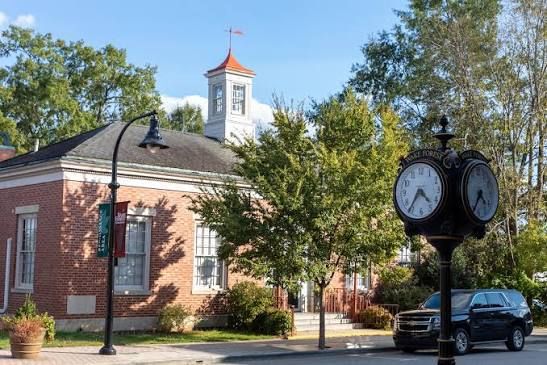

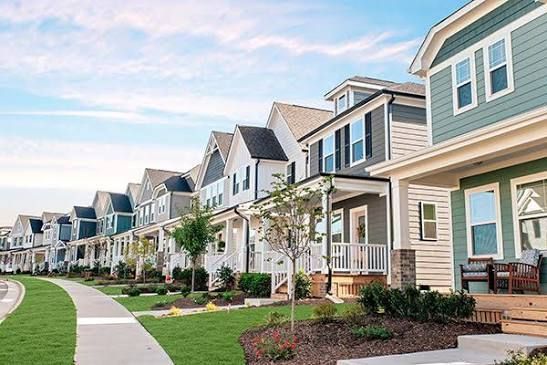
Raleigh is easier to understand when you think in area patterns rather than one citywide housing market. These descriptions are not a boundary map, school assignment guide, or final neighborhood recommendation. They are a starting point for deciding which types of Raleigh-area locations deserve a closer look.
Inside the Beltline and central Raleigh areas often appeal to buyers who want a more central location and are comfortable comparing older homes, renovations, lot size, condition, and price tradeoffs.
The practical question is not, “Is central Raleigh desirable?” It is, “How much central access do you want, and what are you willing to give up to get it?”
Local decision notes:
Central Raleigh can be a strong fit when location matters more than maximizing square footage. It can be a poor fit if a buyer expects newer-home convenience, larger lots, or a lower-maintenance suburban pattern without tradeoffs.
Downtown Raleigh is a different decision than “Raleigh” generally. It may fit buyers who prioritize urban access, restaurants, entertainment, offices, events, and a city-centered daily routine.
The first question is whether you want to live downtown or simply want good access to downtown.
Local decision notes:
For some buyers, downtown proximity is the point. For others, nearby central Raleigh areas may deliver a better daily-life balance.
Midtown and North Hills-oriented searches often appeal to buyers who want access to shopping, dining, offices, and established North/Midtown Raleigh convenience.
The choice is about convenience and activity versus price, traffic patterns, home age, property type, and alternatives farther north or more central.
Local decision notes:
This area can make sense for buyers who want a more connected Raleigh routine and are prepared to compete for well-positioned homes.
North Raleigh can mean different things depending on the exact pocket. It often attracts buyers looking for established neighborhoods, suburban convenience, larger-area search options, and access to north-side amenities.
The most important step is narrowing what “North Raleigh” actually means for your search.
Local decision notes:
North Raleigh can be a strong fit when buyers want Raleigh access without a downtown-focused lifestyle. The decision gets sharper when you compare it with Wake Forest, Rolesville, and other north/east-side alternatives.
Northwest Raleigh and the Brier Creek area can be useful for buyers who value access toward RDU, RTP, Durham, and northwest-side retail or convenience patterns.
The key question is whether airport/RTP access matters more than downtown Raleigh proximity or a more central Raleigh feel.
Local decision notes:
This area may be a strong fit for buyers with airport, RTP, or west/northwest Triangle patterns.
East Raleigh can create a very different search conversation from central or north-side Raleigh. Buyers may be evaluating access, affordability, changing area patterns, proximity to downtown, property condition, and eastern Wake alternatives.
This is an area where exact location matters.
Local decision notes:
East Raleigh may appeal to buyers looking for access and value. The strategy is to understand the specific micro-location rather than treating the entire area as one category.
Southeast Raleigh can appeal to buyers evaluating southeast-side access, value, downtown proximity, growth, and routes toward southern or eastern Wake County.
As with East Raleigh, the correct strategy is property- and location-specific.
Local decision notes:
A smart Southeast Raleigh search should compare not only active listings but also the buyer’s comfort with transition, renovation, commute, and future buyer perception.
Some buyers who begin with Raleigh ultimately find a better fit in a nearby town. Others compare nearby towns and decide Raleigh is still the best choice.
Either outcome can be the right one.
Local decision notes:
If you are moving from outside the area, do not assume Raleigh is the only answer just because it is the most recognizable name. The right Triangle move may be Raleigh — or it may be a Raleigh-adjacent community that fits your life better.
After you understand the major area patterns, the next step is narrowing your shortlist.
Here is a practical way to think about it.
Compare Inside the Beltline / Central Raleigh, Midtown/North Hills, North Raleigh, and selected nearby towns.
The question is whether central access is worth the tradeoff in square footage, yard size, updates, parking, or budget. Some buyers decide central Raleigh is worth it. Others realize they want Raleigh access, not necessarily a central Raleigh address.
Compare Northwest Raleigh/Brier Creek with Cary, Morrisville, and other west/northwest Triangle options.
The question is whether your week points more toward the airport/RTP side of the Triangle or toward downtown/north/east Raleigh. This is where a map can mislead you if you only look at distance instead of actual daily routes.
Compare North Raleigh with Wake Forest and Rolesville.
The question is whether you want a Raleigh address and city access or whether a nearby town gives you the home, pace, community pattern, and commute that fit better.
Compare East Raleigh, Southeast Raleigh, Knightdale, Wendell, and Garner.
The question is not just “Where is the best deal?” It is whether the property condition, commute, area pattern, and future buyer story make sense.
Your first decision may not be neighborhood. It may be sequence.
Should you prepare your current home first? Can you buy before you sell? Do you need temporary housing? How strong can your offer be if your sale is not complete? Those answers can change where and how you search.
Plan Your Move: If two or three of these paths sound possible, Plan Your Move can help you compare them before you tour homes and start reacting emotionally to listings.
Most buyers do not need a generic Raleigh overview. They need to recognize which kind of decision they are actually making.
You may like the idea of Raleigh, but your work life points toward RDU, RTP, Durham, Cary, or Morrisville.
In this case, Northwest Raleigh/Brier Creek may belong in the search, but so might Cary or Morrisville. The right answer depends on whether you want Raleigh identity and access, airport/RTP convenience, or a west-side Triangle routine.
What to compare:
Plan Your Move should answer: Are you moving to Raleigh because Raleigh fits, or because Raleigh is the name you know?
You want older-home character, restaurants, parks, central access, and a home that feels connected to Raleigh.
That can be a great fit — if you are honest about the tradeoffs.
What to compare:
Plan Your Move should answer: Which tradeoffs are worth making for central access, and which ones will frustrate you after move-in?
You want Raleigh access, but you also want a more suburban daily routine, established neighborhoods, and possibly more space.
North Raleigh may fit well, but it should usually be compared with Wake Forest and Rolesville.
What to compare:
Plan Your Move should answer: Is North Raleigh the best match, or does a nearby north/east-side town solve more of the problem?
You are looking for access, value, or an area that may offer more opportunity than the most obvious Raleigh search lanes.
East Raleigh and Southeast Raleigh may belong in the conversation, but so may Knightdale, Wendell, and Garner.
What to compare:
Plan Your Move should answer: Are you seeing a real opportunity, or are you accepting tradeoffs you do not fully understand yet?
You know you are moving to the Triangle, but you are not sure whether Raleigh, Cary, Apex, Wake Forest, Rolesville, Wendell, Knightdale, Garner, Morrisville, or Fuquay-Varina is the right fit.
This is common, especially for people moving from outside the area.
What to compare:
Plan Your Move should answer: Which communities should be in your first search, and which can be removed before they waste your time?
You may be moving to Raleigh, but you also have a home to sell first — either locally or somewhere else.
This changes the plan.
What to compare:
Plan Your Move should answer: What sequence gives you the best chance of buying well without creating unnecessary stress or weak offer terms?
Instead of asking, “What are the best neighborhoods in Raleigh?” start with a stronger set of questions.
Make a short list of the places that will actually shape your week:
A beautiful home in the wrong daily-life pattern can become frustrating quickly.
Most buyers have to prioritize. Common tradeoffs include:
The goal is not to get every feature. The goal is to understand which tradeoffs are acceptable before the market forces you to decide under pressure.
If school assignment or commute is a major factor, verify it before you build an offer strategy around a property.
For schools, use official assignment resources and confirm details directly when needed. For commute, test the route at realistic times and consider your actual schedule, not only a map estimate at a quiet hour.
Even if you plan to stay for years, resale should be part of the decision.
Ask:
A good Raleigh purchase is not just a home you like today. It is a decision that still makes sense when life changes.
Raleigh-area buyers can lose clarity when they react to every listing as if it is a one-time opportunity. A better approach is to define the search lanes first, then judge each home against the plan.
That means knowing which areas are preferred, which are backup options, what tradeoffs are acceptable, what must be verified, and what would make you walk away.
Plan Your Move: If your search is already starting to feel scattered, pause and build the plan first. The goal is not to slow you down. The goal is to help you move quickly without moving blindly. Map your Raleigh commute and neighborhood priorities.
For many buyers, the Raleigh decision is really a Triangle decision.
Use these comparisons as a starting point. They are not rankings. They are prompts to help you decide which places belong in your search.
Consider Raleigh if you want broader city variety, Raleigh-specific access, central/north/east Raleigh options, or a wider mix of neighborhood styles.
Consider Cary if your daily life points west or southwest, if Cary’s suburban structure feels like a better fit, or if you want to compare Cary/Morrisville/RTP access before committing to Raleigh.
Watch the tradeoff: Raleigh may offer more city variety and area diversity. Cary may offer a different suburban pattern and strong access for certain Triangle routines. The best choice depends on where you actually work, shop, spend weekends, and want your daily life centered.
Plan Your Move question: Are you choosing between Raleigh and Cary based on lifestyle — or only because both have homes in your price range?
Consider Raleigh if you want central, north, east, or citywide Raleigh access and a broader range of neighborhood types.
Consider Apex if southwest Triangle growth, historic-downtown appeal, suburban community feel, or Apex-specific access patterns fit your life better.
Watch the tradeoff: Apex can be excellent for some routines and inconvenient for others. Do not assume a Triangle address means the commute will feel the same.
Plan Your Move question: Does your week point toward Raleigh, or does southwest Wake County make more sense once you map your real routes?
Consider Raleigh if you want more city variety, more direct Raleigh access, or a wider range of established and central options.
Consider Wake Forest if north-side town identity, suburban routines, and Wake Forest-specific community patterns fit better.
Watch the tradeoff: North Raleigh and Wake Forest can both serve buyers looking north of the city, but they do not feel the same. One may give you stronger Raleigh access; the other may give you a clearer town identity.
Plan Your Move question: Are you looking for Raleigh access with a suburban feel, or are you actually looking for a separate north-side town? Compare Raleigh and Wake Forest in your move plan.
Consider Raleigh if you want broader city access, more neighborhood variety, and closer proximity to certain Raleigh employment or lifestyle hubs.
Consider Rolesville if smaller-town growth, newer-community possibilities, and a north/east-side lifestyle feel more aligned with your goals.
Watch the tradeoff: Rolesville can be compelling for buyers who want a different pace, but commute direction and growth expectations should be reviewed carefully.
Plan Your Move question: Is the appeal of Rolesville about the home, the community pattern, the growth story, or all three? Build a Raleigh-area town-comparison plan.
Consider Raleigh if central access, city variety, and Raleigh-specific lifestyle options matter most.
Consider Wendell if eastern Wake growth, new-community patterns, town identity, or value relative to Raleigh options belongs in your search.
Watch the tradeoff: Wendell may solve a different problem than Raleigh. The right comparison should include commute, daily routes, home style, and how comfortable you are with an eastern Wake lifestyle pattern.
Plan Your Move question: Are you comparing Raleigh and Wendell as places to live, or only comparing list prices?
Consider Raleigh if you want more central options, broader neighborhood variety, or closer access to specific Raleigh routines.
Consider Knightdale if eastern Wake access, value, convenience, and proximity back into Raleigh fit your daily life.
Watch the tradeoff: Knightdale may be useful for buyers who want east-side access without being far from Raleigh, but exact commute and community fit matter.
Plan Your Move question: Does Knightdale improve your daily routine, or does it simply look more affordable on paper?
Consider Raleigh if broader urban variety, central access, or Raleigh-specific neighborhoods matter most.
Consider Garner if south/southeast access, budget, a different suburban pattern, or a practical route to your daily destinations fits better.
Watch the tradeoff: Garner may make sense for some southeast-side routines, but the comparison should be based on where you work, what kind of home you want, and how often you need to be in Raleigh proper.
Plan Your Move question: Would Garner make your daily life easier, or are you only expanding the map because Raleigh options feel tight?
Consider Raleigh if you want Raleigh identity, city variety, and access to Raleigh-specific neighborhoods and amenities.
Consider Morrisville if RTP/RDU access, west-side Triangle convenience, or a Cary/Morrisville-oriented routine fits better.
Watch the tradeoff: Morrisville may be very practical for some work and airport routines, but it is a different daily-life choice than a Raleigh-centered search.
Plan Your Move question: Does your week point west toward RTP/RDU, or do you want Raleigh to be the center of gravity?
Consider Raleigh if city access, neighborhood variety, and Raleigh-specific routines matter most.
Consider Fuquay-Varina if southern Wake growth, town identity, housing options, or a different suburban pace fit better.
Watch the tradeoff: Fuquay-Varina may appeal to buyers looking farther south, but commute and daily-life patterns should be tested before assuming it is interchangeable with Raleigh.
Plan Your Move question: Are you comfortable shifting your search farther south if the home and lifestyle fit better?
Advisor takeaway: Do not choose Raleigh or a nearby town because of name recognition. Choose based on the life, route, housing, and future resale confidence that fit you best.
A successful Raleigh purchase is not just about finding a home. It is about making the right local decision under real market conditions.
The first version of your search should define where you are willing to live and why. If you skip that step, every listing becomes a distraction.
A strong buyer plan should identify:
Raleigh has many homes where condition matters as much as location. Renovations, roof/HVAC age, drainage, crawlspace/basement considerations, older electrical/plumbing systems, foundation concerns, and general maintenance history can affect both purchase strategy and long-term cost.
Do not let a staged photo package replace condition diligence.
For older homes or renovated homes, think carefully about inspection strategy, repair expectations, and whether the home’s upgrades match the price.
Monthly payment matters, but total ownership matters too.
Compare:
A lower-priced home that creates more friction may not be the better move. A higher-priced home that solves major daily-life issues may be worth it if it fits the long-term plan.
When a good home appears, buyers often have limited time to decide. That is not the moment to start figuring out your plan.
Before you write an offer, know:
A good buyer advisor should help you move quickly without moving blindly.
Plan Your Move: Before you chase listings, build your buyer plan. The right plan should make it easier to say yes to the right home and no to the wrong one. Start your Raleigh buyer strategy.
If you own a home in Raleigh, your strategy should be based on how buyers will interpret your exact location, condition, price position, and competition — not just broad city demand.
A seller in central Raleigh may face a different buyer conversation than a seller in North Raleigh, Southeast Raleigh, a townhome community, a renovated older home, or a newer suburban-style neighborhood.
The question is not simply, “What are Raleigh homes selling for?”
The better question is:
How will buyers compare this specific home against the alternatives they are seeing right now?
That comparison should shape pricing, preparation, photography, launch timing, showing strategy, and negotiation posture.
If you own an older or renovated home in central Raleigh, buyers may love the location but still have questions about updates, maintenance, parking, layout, storage, outdoor space, and inspection risk.
The strategy is to explain the home clearly before buyers create their own objections. That may mean documenting improvements, addressing obvious condition concerns, highlighting location value, and making the home’s story easy to understand.
A North Raleigh seller may be competing not only against other Raleigh homes, but also against Wake Forest, Rolesville, and newer-community alternatives.
The strategy is to show why this home’s location, neighborhood feel, commute, lot, updates, or convenience are worth choosing over those alternatives.
Townhome and condo buyers often compare more than the unit itself. They look at HOA dues, rules, parking, amenities, rental restrictions, financing, maintenance responsibilities, and convenience.
The strategy is to make total ownership easy to understand. If the home offers a simpler lifestyle, good access, or lower-maintenance living, the marketing should explain that clearly.
For East or Southeast Raleigh homes, buyers may look closely at exact location, condition, access, surrounding property patterns, and future confidence.
The strategy is to be precise. Broad claims are less useful than a clear explanation of the property’s strengths, condition, access, and buyer fit.
If you need to sell a Raleigh-area home and buy another one, timing becomes part of the strategy.
The right plan may involve preparing your current home before you shop, understanding your equity, deciding whether you can buy before selling, and knowing how your sale affects your offer strength.
Do not treat selling and buying as two separate decisions if they depend on each other.
Not every Raleigh home needs the same prep plan. Some homes need cosmetic polish. Others need repair prioritization, pre-listing inspection discussion, staging, landscaping, paint, flooring, lighting, or a better explanation of updates.
The goal is not to overspend. The goal is to remove buyer friction where it matters most.
Ask:
Raleigh buyers compare homes quickly. A listing price should make sense relative to location, condition, size, updates, property type, and competing choices.
If the price requires too much explanation, the market may push back.
A strong seller plan should define:
A Raleigh listing should not rely only on bedroom count, square footage, and a photo carousel. Buyers need to understand why the location, lifestyle, condition, and long-term fit matter.
A seller benefits when the listing story is connected to the neighborhood, buyer tradeoffs, area demand, and broader Raleigh decision context.
Before you list in Raleigh, understand how buyers will compare your home.
Plan Your Move: If selling and buying are connected, plan the sequence before you enter either side of the market. Plan a Raleigh sale-and-purchase strategy.
THE CORE REPORT is Capital Oaks Real Estate’s local intelligence path for homeowners, buyers, sellers, and people planning a move in the Triangle.
Plan Your Move is for people who are actively trying to make a decision. THE CORE REPORT is for people who are watching the Raleigh/Triangle market before they are ready to act.
Use THE CORE REPORT if you are:
For Raleigh-area decisions, THE CORE REPORT can help readers follow:
This matters because a move is not a one-time search. It is a sequence of decisions. Some readers are ready to talk now. Others need to watch the market, understand tradeoffs, and build confidence before they make a move.
Read THE CORE REPORT for Triangle homeowner intelligence before you are ready to make your next move.
If you are thinking about moving to Raleigh, the biggest risk is not missing a listing. It is starting with the wrong search.
Plan Your Move is designed to help you organize the decision before the market rushes you.
A Raleigh-area move plan should answer:
A Raleigh-area move plan can help you compare:
The goal is not to push you into a neighborhood. The goal is to help you make a clear, local, practical decision. Turn your Raleigh research into a local move strategy.
Raleigh can be a strong fit for many buyers because it offers access to the broader Triangle economy, a wide range of neighborhoods and housing styles, and multiple lifestyle patterns. But the better question is whether the specific Raleigh area you are considering fits your commute, budget, school-verification needs, housing preferences, and future plans.
There is no single best Raleigh neighborhood for everyone. Inside the Beltline, Downtown, Midtown/North Hills, North Raleigh, Northwest Raleigh/Brier Creek, East Raleigh, Southeast Raleigh, and nearby towns all solve different problems. The best fit depends on your daily routine, budget, desired housing style, commute, school-verification needs, and future resale confidence.
Many buyers should compare Raleigh with nearby communities before deciding. Cary, Apex, Wake Forest, Rolesville, Wendell, Knightdale, Garner, Morrisville, Fuquay-Varina, and other Triangle towns can each offer different tradeoffs. Raleigh may be right if you want city variety and Raleigh-specific access. A nearby town may be better if it gives you the lifestyle, home type, commute, or value equation you prefer.
Start with daily life. Identify where you need to commute, what amenities matter, whether school assignment is a key factor, what home style you prefer, how much maintenance you can tolerate, and how important future resale is. Then compare areas against that plan instead of relying on generic rankings.
Not necessarily. Nearby schools are not always assigned schools. Buyers should verify school assignments through official resources before relying on them in a home search or offer decision.
That depends on the exact area, price point, property type, condition, and competition. Raleigh is not one market. Buyers and sellers should evaluate the specific property and local competition rather than relying on broad citywide statements.
Before touring homes, define your preferred areas, backup areas, commute requirements, school-verification needs, housing tradeoffs, budget comfort zone, and offer boundaries. If you also need to sell, build the buy/sell timing plan before you start reacting to listings.
Capital Oaks Real Estate helps buyers, sellers, and homeowners make Raleigh-area decisions with local strategy. That includes area comparisons, move planning, buyer strategy, seller positioning, CORE REPORT market intelligence, and practical guidance before you commit to a specific path.
Start with a local strategy conversation before listings take over. Capital Oaks Real Estate can help you compare Raleigh areas, nearby towns, commute patterns, school-verification needs, timing, and resale fit.


